Honed
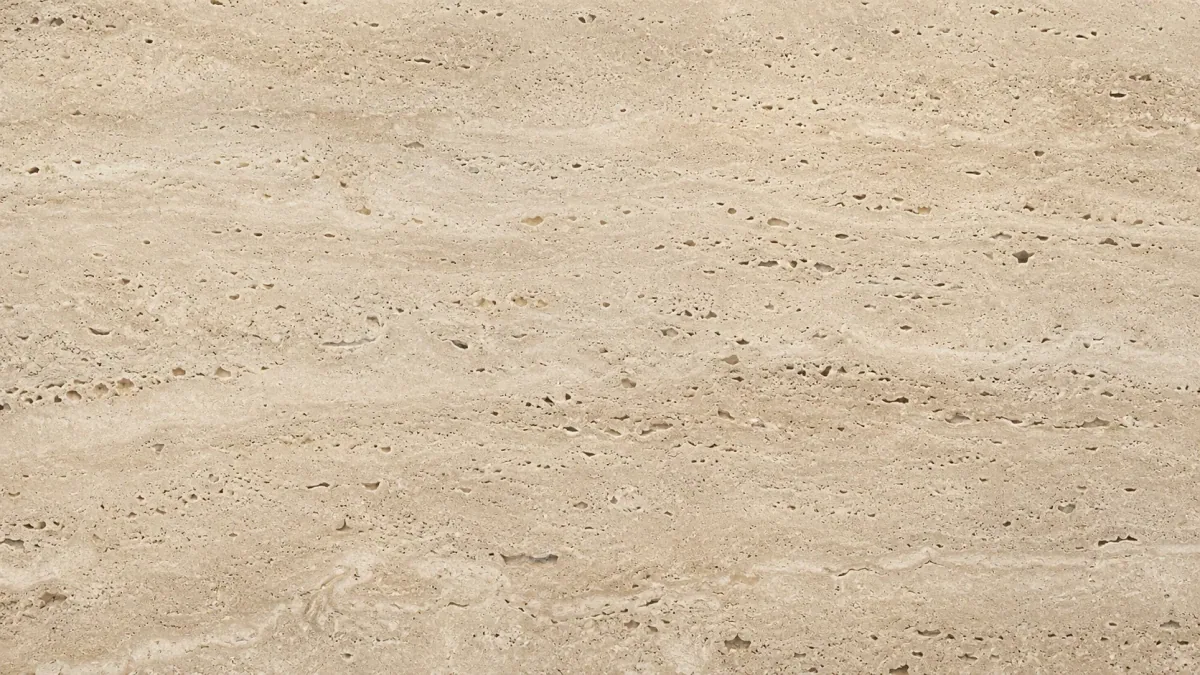
A lower-reflection direction for a softer visual result. Agree on the target sheen and inspect flat faces, curves and edges together.
Marble / THE MATERIAL LIBRARY
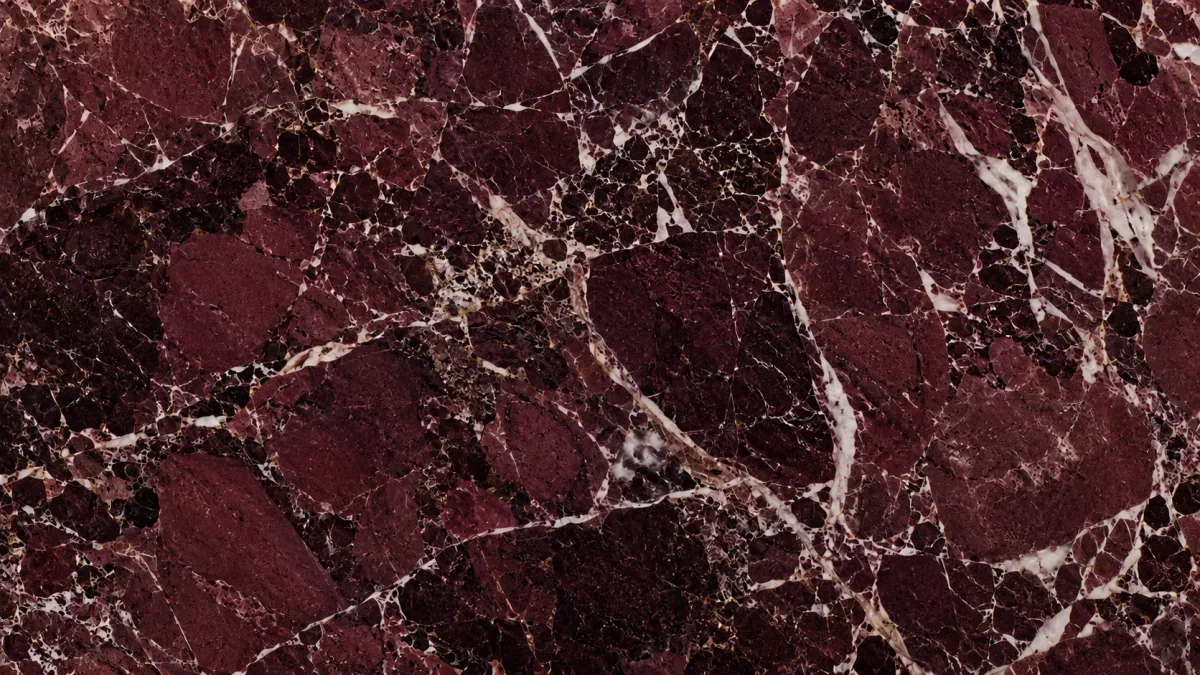
A warm red marble direction for earthy interiors and distinctive accents.
Rojo Alicante is a specific commercial naming reference, not a general label for every red stone. It should be distinguished from red travertine and other red marble selections. Confirm the supplied material and the sample rather than identifying it solely from a screen image.
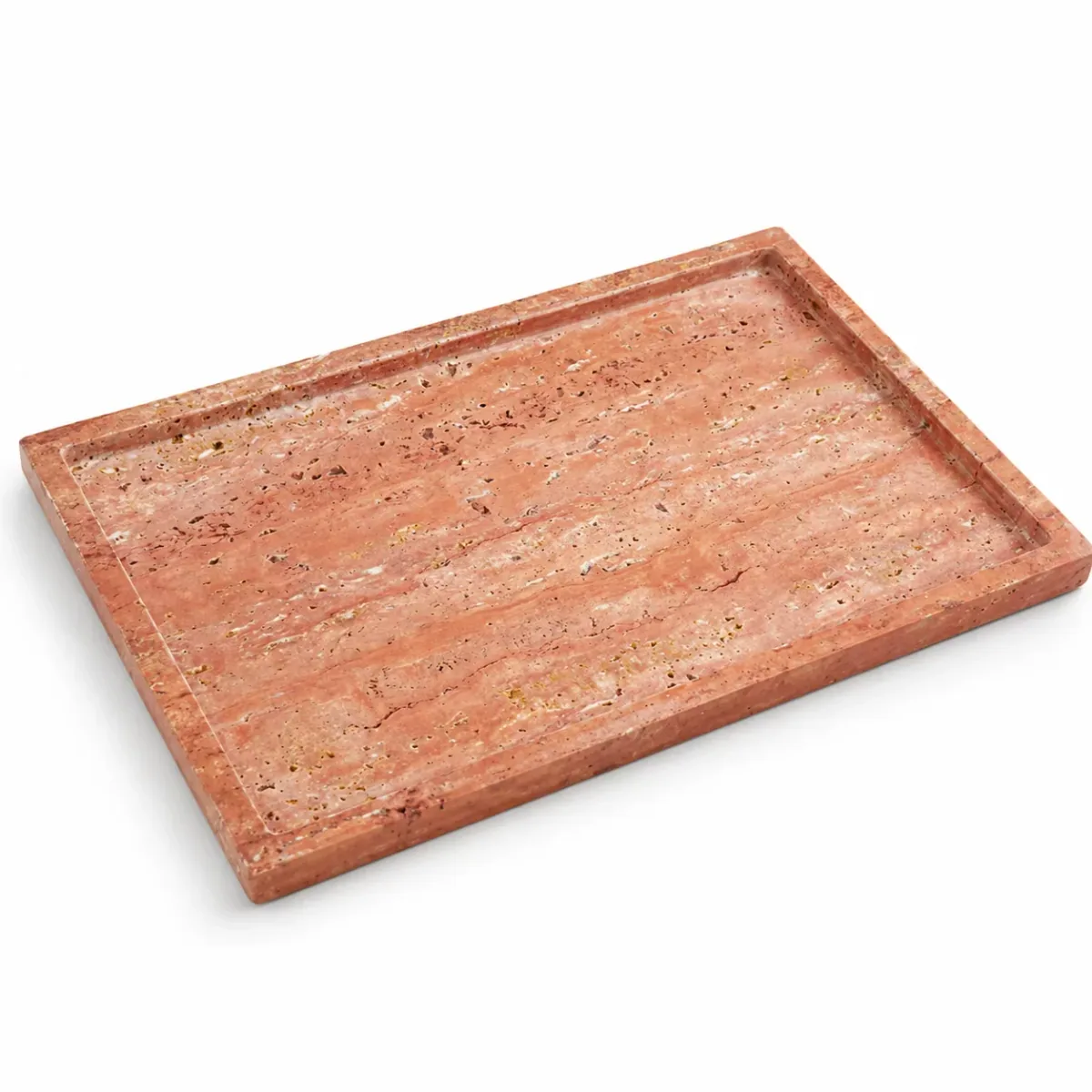
For an oval or rectangular tray, compare the red background against the intended bottles, jewelry or display objects. A broad face and a narrow rim may show different parts of the pattern. Include both in sample approval, along with the underside protection and the tone of any metal or packaging used in the same collection.
THE MATERIAL LIBRARY
Approve the color under daylight and the intended interior light. Put the material beside the packaging and adjacent products; screen color alone is not a reliable approval reference.
Compare finishes on the same material and shape. Finish names alone do not define gloss, texture or the final care requirements.
A lower-reflection direction for a softer visual result. Agree on the target sheen and inspect flat faces, curves and edges together.
A more reflective direction that changes the way color and veins are seen. Review the sample under the lighting of the intended setting.
A tactile direction to discuss for the selected stone and geometry. Confirm the physical texture, cleaning access and feasibility on a sample.
Product reference
These catalogue designs illustrate shape and construction. The stone shown may differ from this material direction; confirm the selected stone and feasibility for each design.
Rojo Alicante
No. They are different material directions. Compare actual samples for the vein or pore pattern and treatment rather than choosing by red color alone.
A stone datasheet and a finished-product assessment have different scopes. Confirm that any report applies to the supplied material, treatment and relevant use; do not transfer another supplier’s values into your product specification.
These sources describe commercial material references. The supplied stone and any batch-specific performance must be confirmed separately.
Reference review:
ROQVERA
Share a reference, dimensions, quantity and destination to prepare a clear sourcing brief.
Start a projectMaterial type
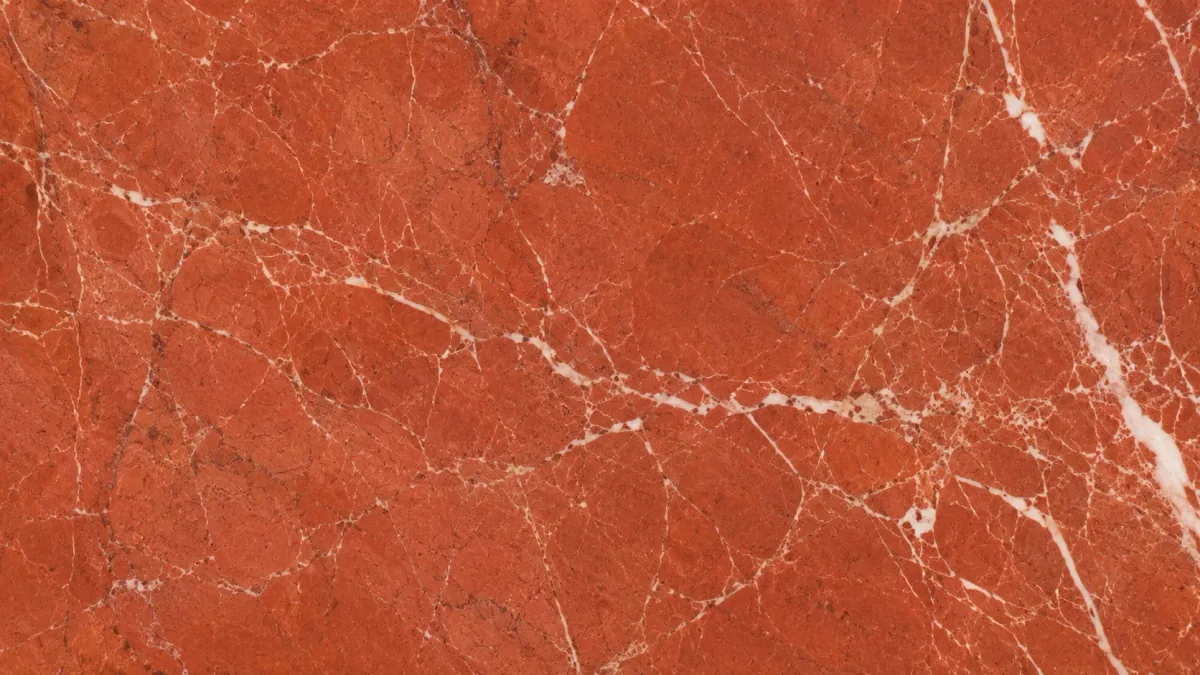
Rojo Alicante is a Spanish red limestone commercially sold as marble, quarried around Monóvar, Novelda and neighbouring Alicante or Valencia districts. Rosso Alicante Marble, Red Alicante, Alicante Red, Coral Red and Rojo Alicante Classic have saturated brick-red, coral, rust or terracotta backgrounds with irregular white, pale-grey and occasional fossil veins. Polished, honed, tumbled, brushed, antiqued and sandblasted 20 or 30 mm slabs, tiles, stairs, mosaics, façades, counters and furniture are available; typical slabs include around 2,870 × 1,660 × 20 mm. It suits floors, walls, bathrooms and fireplaces, but sealing is advisable and acids create visible etching. UAE exterior work needs a suitable textured finish and tested batch. Request Spanish quarry and country documents and reserve matched material for large floors. Indicative Rojo Alicante marble price in the UAE is approximately AED 350–850/m² material-only, with international 20 mm retail listings exceeding £400/m².
Rojo Alicante Marble help desk
Share your product, room or fit-out detail and our designer line will guide you on slab selection, finish, sizing, price direction and care.
Rojo Alicante Marble products
Browse product groups connected to Rojo Alicante Marble. Use the sticky filters to narrow by finish, category, application, color and price while staying inside this section.
No products match these filters yet.
Spanish Origin, Red Calcite Character
Rosso Alicante marble and Rojo Alicante UAE refer to the established Spanish red stone from Monóvar, Novelda and the wider Alicante or Valencia quarry districts. Its brick-red to terracotta field is crossed by white and cream calcite veins appearing as fine capillaries, diagonal lines, branching webs and wider irregular ribbons. Some blocks are calm and mostly red while others contain dense pale movement. Spanish quarry documentation is the best way to distinguish authentic material from similarly coloured international products.
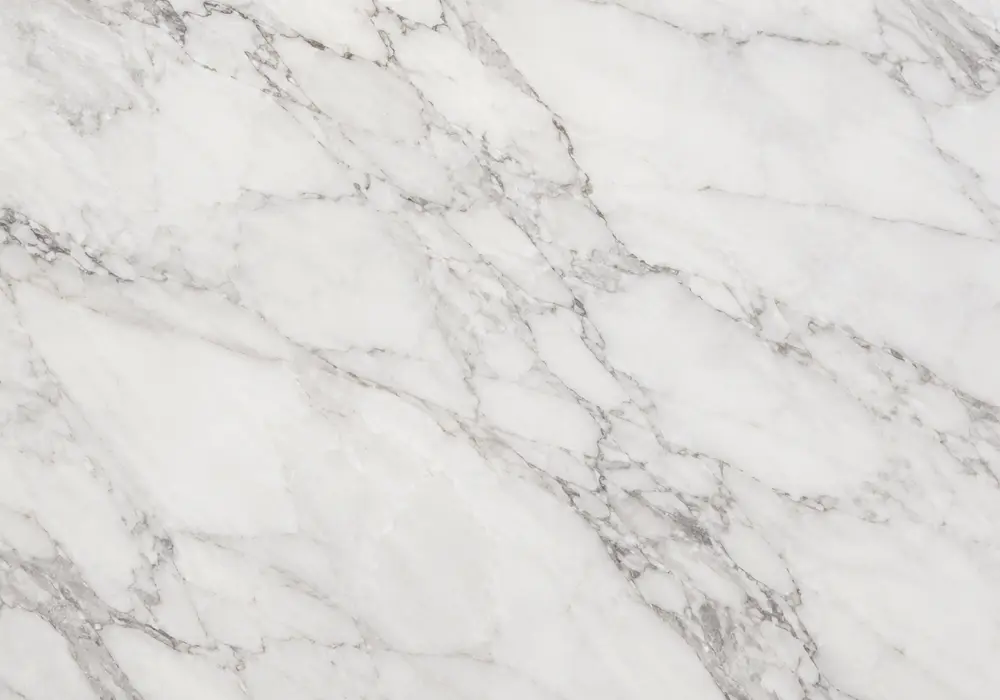
Terracotta Red with White Calcite Veins
Rojo Alicante slabs should be graded by red saturation and white-calcite density before large flooring or cladding quantities are released. Red Alicante Marble from the same visible area should come from one Spanish quarry lot, with calmer and heavily webbed pieces kept in controlled groups.
Architectural Finishes & Custom Formats
Rojo Alicante flooring can be specified in larger tiles for a calmer field or smaller modules and mosaics where more joint rhythm is acceptable. Polished surfaces suit formal interiors; honed gives floors and stairs a softer finish, while tumbled, brushed, sandblasted, flamed or antiqued treatments can be used when a more textured architectural effect is required. Roja Alicante Marble listings should still be checked against the exact supplied slab or tile batch. Record slab dimensions, flooring module, thickness, stair sizes, façade panel dimensions and finish on the order so fabrication and later replacement matching remain controlled.
Rich Red Accents with Exterior Caution
A Rojo Alicante fireplace is well suited to surrounds and mantels because it places the stone in a visible architectural position without subjecting it to continuous wet-area exposure, but it should remain outside direct flame and be installed on a stable, heat-compatible substrate. Alicante Rosso Marble used for furniture or flooring should be protected with an impregnating sealer when absorption testing indicates it and cleaned only with pH-neutral products; citrus, vinegar and acidic cleaners can etch the finish. For UAE exteriors, honed, brushed or textured surfaces generally make more sense than preserving an indoor-level polish. Specify suitable panel thickness, mechanical fixing, movement joints and stone-specific test data, particularly where intense solar heating and airborne sand will affect the surface throughout the year.
| Use | Finish | Thickness | Indoor / sqm | Outdoor / sqm | Supply | Installed | Notes |
|---|---|---|---|---|---|---|---|
| Statement Flooring Tiles | Polished/Honed | 18 mm/20 mm | Indoor preferred — preserves rich red colour | Indoor preferred — avoids strong UV affecting terracotta-red tone | AED 130–180/m² | AED 56–82/m² | Rich red flooring brings warmth and traditional character to statement spaces |
| Fireplace Surrounds | Polished/Honed | 20 mm/30 mm | Indoor fireplace use suits warm Mediterranean and traditional interior schemes | Interior fireplaces ideal; sheltered outdoor hearth areas suitable | AED 170–235/m² | AED 115–165/m² | Mediterranean fireplace stone with warm red tone |
| Stair Treads | Honed/Leathered | 30 mm | Indoor preferred — staircases, villas and lobbies. | Outdoor only in covered stairs — honed or leathered finishes improve traction and surface protection. | AED 130–200/m² | Est. AED 100–150/m² | A bold stair-tread option for villas and lobbies, with honed or leathered finishing offering better everyday walking traction. |
| Façade Cladding Panels | Honed/Sandblasted | 20 mm/30 mm | Indoor not preferred — primarily suited to façades and exterior walls. | Outdoor preferred — façades, exterior walls and entrance elevations. | AED 90–110/m² | Est. AED 110–160/m². | Ideal for expressive façade cladding, with its rich red tone adding architectural character to entrances and exterior elevations. |
| Decorative Wall Tiles | Polished/Honed | 15 mm/20 mm | Indoor preferred for decorative walls, niches and accent tile installations | Outdoor limited to covered walls and sheltered decorative areas | AED 105–170/m² | AED 105–145/m² | Façade panels deliver a warm architectural accent in sheltered areas |
Check flooring, countertops and shower suitability
A Rojo Alicante fireplace is a low-wear application that allows the Spanish red stone to retain a polished or honed decorative finish without the staining exposure of kitchens. Red Alicante Marble can also be used for flooring, stairs, wall cladding, vanities and selected countertops; use penetrating sealer where appropriate, avoid acids and specify honed or textured bathroom floors for better grip.
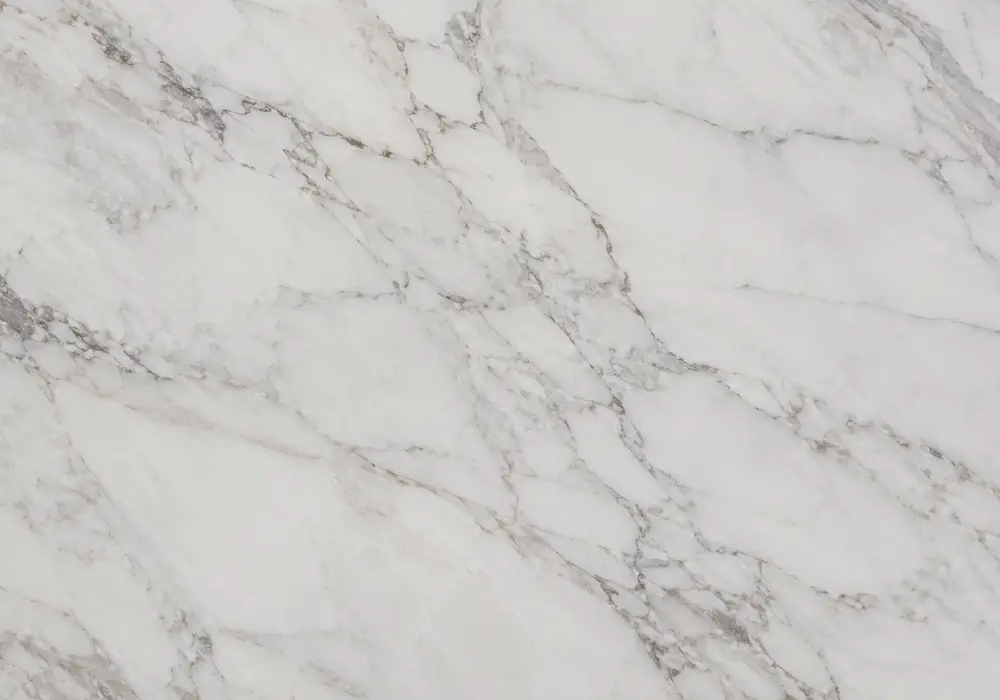
Spanish terracotta-red stone suits floors and fireplaces beautifully, but staining, etching, fossils and exterior finish require proper maintenance.
Rosso Alicante, Red Alicante and Coral Red originate from quarry districts around Monóvar, Novelda and Alicante in Spain, with brick-red, coral and terracotta backgrounds crossed by irregular white, pale-grey and occasional fossil veins. Its unmistakable colour gives stairs, mosaics, fireplaces and façade accents a warm historic character, while designers increasingly use smaller applications to make the red feel refined rather than dominant. UAE buyers should confirm quarry origin, finish, sealing and exterior specification and can temper the intensity with <a href='https://arifeenmarble.com/omani-beige-marble/'>omani beige marble</a>.
Rojo Alicante Best-Use Guide
A Rojo Alicante countertop adds terracotta-red colour to bars, vanities and hospitality counters without requiring additional decorative stone. Select a slab with vein density appropriate to the counter length and remember that calcitic marble can etch, so heavily used kitchen worktops need realistic maintenance expectations.
| Use | Weather | Condition | Application | Slip | Care | Best for | Avoid for |
|---|---|---|---|---|---|---|---|
| Floor Tiles | Better for interior flooring; covered outdoor spaces can work in dry, moderate weather when the tiles are properly sealed. | Works well in moderate traffic areas with regular dust removal, stain control and occasional repolishing. | Entrance halls, hotel corridors, formal living rooms, restaurant floors and decorative circulation areas. | Polished tiles can be slick when wet; honed finishing improves grip in corridors and entrances. | Remove grit frequently, clean spills promptly and use occasional professional polishing to restore worn traffic areas. | Traditional or luxurious spaces needing rich red flooring character. | Fully exposed exterior floors, wet polished zones and poorly maintained heavy-traffic areas. |
| Stair Treads | Works indoors and covered outdoors in warm, dry weather with non-slip finishing. | Best for moderate staircase traffic with secure bedding, honed traction and periodic surface maintenance. | Villa stair treads, hospitality stairs, traditional interiors and warm red architectural steps. | Honed finish provides safer grip than polished stair surfaces. | Remove abrasive debris frequently, use pH-neutral cleaner, maintain sealing, and inspect honed tread surfaces and joints. | Ideal for warm red stair treads in villas, hospitality interiors and traditional spaces with moderate traffic and honed traction. | Avoid highly polished wet steps, unsheltered exterior stairs, unstable bedding and high-traffic applications without routine sealing and grit control. |
| Fireplace Surrounds | Best indoors; covered outdoor fireplace surrounds may work in warm, dry weather with protection from direct rain and prolonged UV. | Best for fireplace surrounds with secure installation, indirect warmth and gentle soot maintenance that protects the red decorative finish. | Traditional villa fireplaces, hotel lounges, executive living spaces and rich red decorative hearths. | Not applicable to fireplace surrounds; slip rating has no functional effect on properly installed vertical stone cladding. | Dry basin splashes promptly, remove cosmetics early and refresh the vanity sealer when water begins absorbing faster. | Rich red fireplace surrounds for traditional villas, hotel lounges and executive living spaces with indirect warmth and secure installation. | Firebox interiors and working hearth surfaces receiving direct flames, ash abrasion or severe concentrated heat. |
| Wall Cladding Panels | Suitable indoors; sheltered exterior wall panels may work in warm, dry climates with proper sealing and secure anchoring. | Best for wall panels with stable substrates, secure anchoring and low-impact architectural exposure. | Villa wall panels, boutique hotel corridors, restaurant interiors and decorative red architectural cladding. | Wall panels have no walking-surface slip requirement. | Clean with soft cloths, avoid acidic solutions and inspect wall joints and anchors periodically. | Rich red hospitality wall cladding | Avoid unstable backing, heavy-impact corridors and cladding exposed to persistent moisture or acidic cleaning. |
| Mosaic Borders | Indoor mosaic borders preferred; sheltered exterior use may suit warm, dry climates with sealing and controlled moisture. | Best for mosaic borders with stable backing, aligned joints and protection from moisture and edge damage. | Floors, walls and decorative room borders | Wall mosaic borders need no slip rating; floor borders should use traction-conscious finishing | Clean mosaic joints gently, use neutral products and reseal grout or stone where moisture exposure occurs. | Decorative border work where red accents create definition, contrast and visual rhythm. | Slippery floor borders in wet areas without traction |
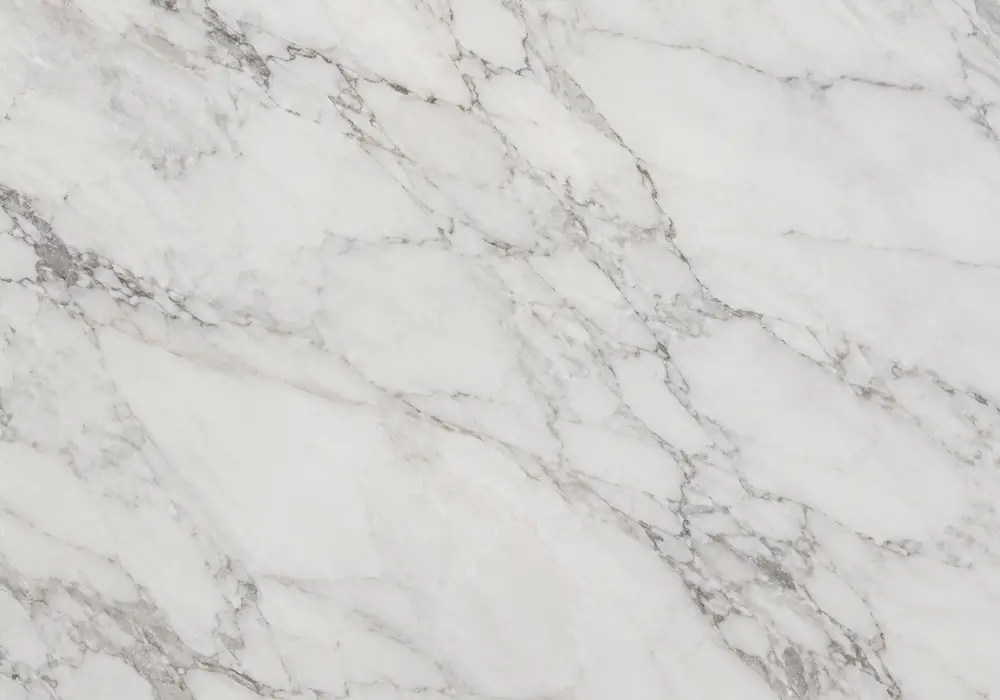
Rosso Alicante Marble benefits from stain control and gentle maintenance.
Alicante Marble and Alicante Rojo Marmol can stain less noticeably when properly sealed, but acid etching remains possible. Remove wine, lemon, vinegar and acidic sauces quickly, clean with pH-neutral products and use coasters or mats on frequently used horizontal surfaces.
Related materials
These are main material family pages, not more material types, so this detail page stays focused on Rojo Alicante Marble while still giving crawlable internal links.

738 types · 149 products
Premium natural marble for luminous veining, luxury products and architectural interiors.
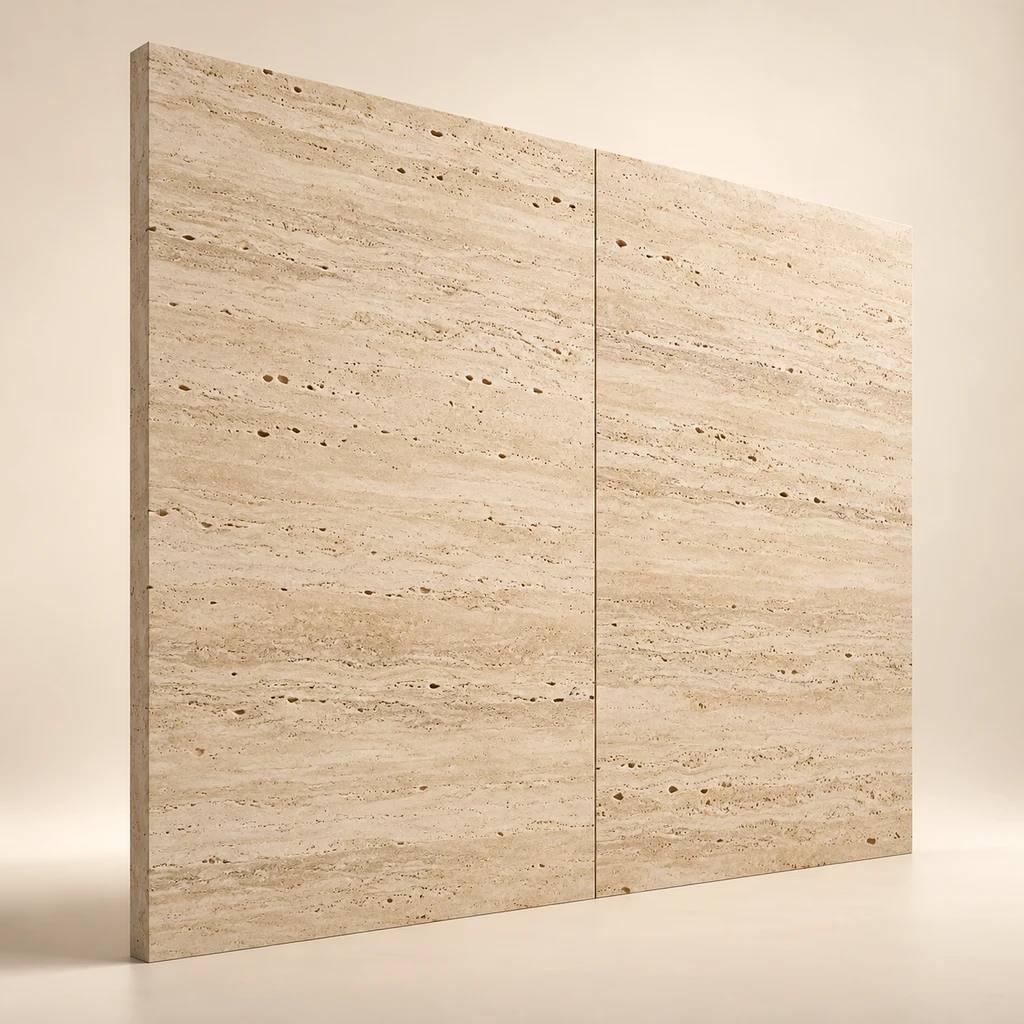
3 types · 37 products
Warm porous natural stone with earthy bands for textured luxury interiors and architectural pieces.

3 types · 37 products
Translucent luxury stone with dramatic depth, veining and backlit decorative potential.
1 types · 11 products
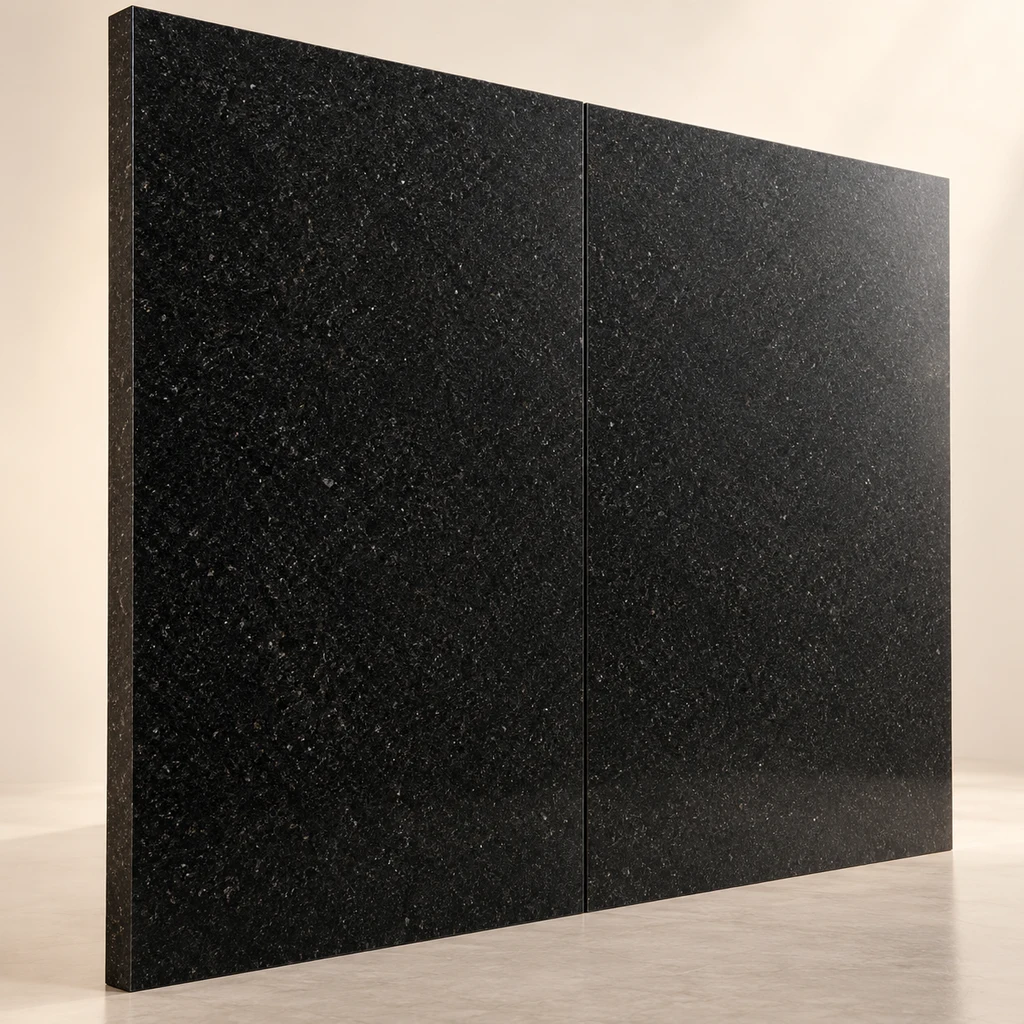
Dense and durable natural stone for hard-wearing counters, surfaces and premium utility pieces.

1 types · 11 products
High-performance natural stone with marble-like elegance and stronger day-to-day durability.
1 types · 13 products
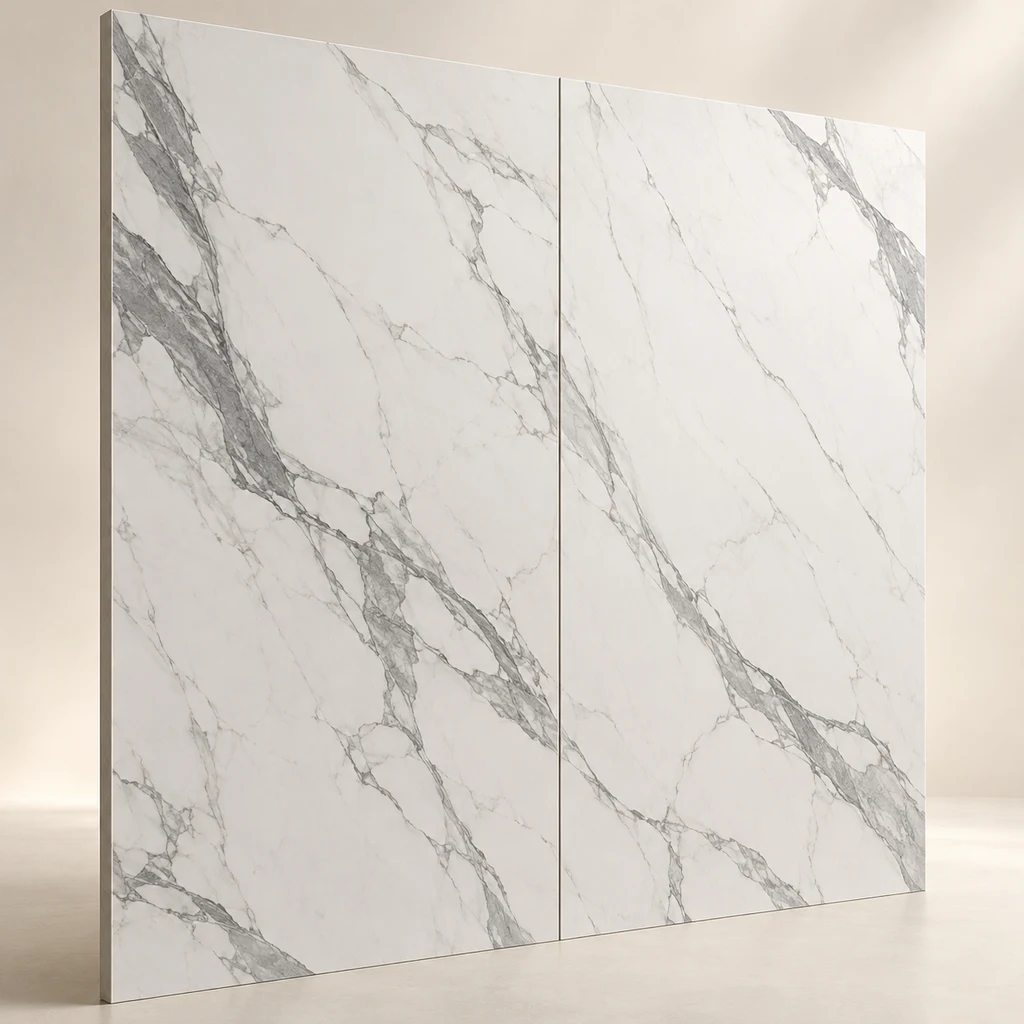
Engineered large-format surface with consistent patterns, low maintenance and modern performance.

1 types · 11 products
Soft warm natural stone with calm texture for elegant interiors and relaxed decorative pieces.

1 types · 12 products
Composite stone surface with chips and character for playful, modern and durable design.

1 types · 11 products
Gemstone-style decorative slab material with rich bands, color and strong luxury impact.

1 types · 10 products
Elegant white-to-grey natural stone family with soft movement and refined interior appeal.
Rojo Alicante Marble FAQ
Rosso Alicante Marble is another market wording for Spanish Rojo Alicante. Provenance should connect to the Alicante-area quarry industry, while the defining appearance is a brick-red, coral or terracotta field crossed by irregular white-to-cream calcite. Buyers should compare the complete bundle for red saturation, vein spacing and unwanted brown/grey patches; heavily webbed slabs should not be assumed to match a quieter Alicante Red specification simply because the quarry family is the same.
Quiet Rosso Alicante Marble grades preserve larger uninterrupted terracotta-red areas with only occasional white calcite branches. Heavily veined slabs develop dense cream-white webbing and stronger tonal mottling. Broad-red-field pieces are more effective for floors, stairs and continuous wall cladding, while active grades make better fireplaces, feature walls, vanity surrounds and decorative furniture where the calcite network can be read as intentional movement.
Rosso Alicante Marble performs well on floors, tabletops and fireplaces. Quiet grades with larger uninterrupted red fields suit continuous floors, while heavily veined pieces are more effective on tabletops and fireplace surrounds. Polishing creates maximum red-and-white contrast; honing gives a softer terracotta appearance and makes everyday wear or etching less conspicuous.
Alicante Marble—when the material is genuine Rojo Alicante—is a dependable decorative wall-cladding option. Polishing produces a saturated red surface with graphic white veins, making it ideal for reception or fireplace walls; honing creates a softer terracotta look and is more tolerant of incidental surface wear. For dry vertical cladding, sealing may be limited; for bathrooms, restaurants or splash-prone zones, use an impregnator when water testing indicates absorption. Clean only with neutral products because acidic maintenance can etch and dull the Spanish limestone.
Rosso Alicante Marble has relatively low reported absorption, but that does not make it immune to staining or etching: its carbonate composition means acids can still create dull marks, while oils and pigments can stain untreated areas. For multi-slab installations, separate pieces by red background first and then by white-vein density; Spanish technical sources describe moderate tone variation and irregular white veining, so perfectly identical slabs should not be expected. Quarry owners in Monóvar continue to produce Rojo Alicante as blocks, slabs and tiles, and current 20 mm slab listings demonstrate ongoing supply. Price is driven primarily by saturated red colour, vein balance, block/slab dimensions, finish, grade and how much matched material is required rather than by the trade name alone.