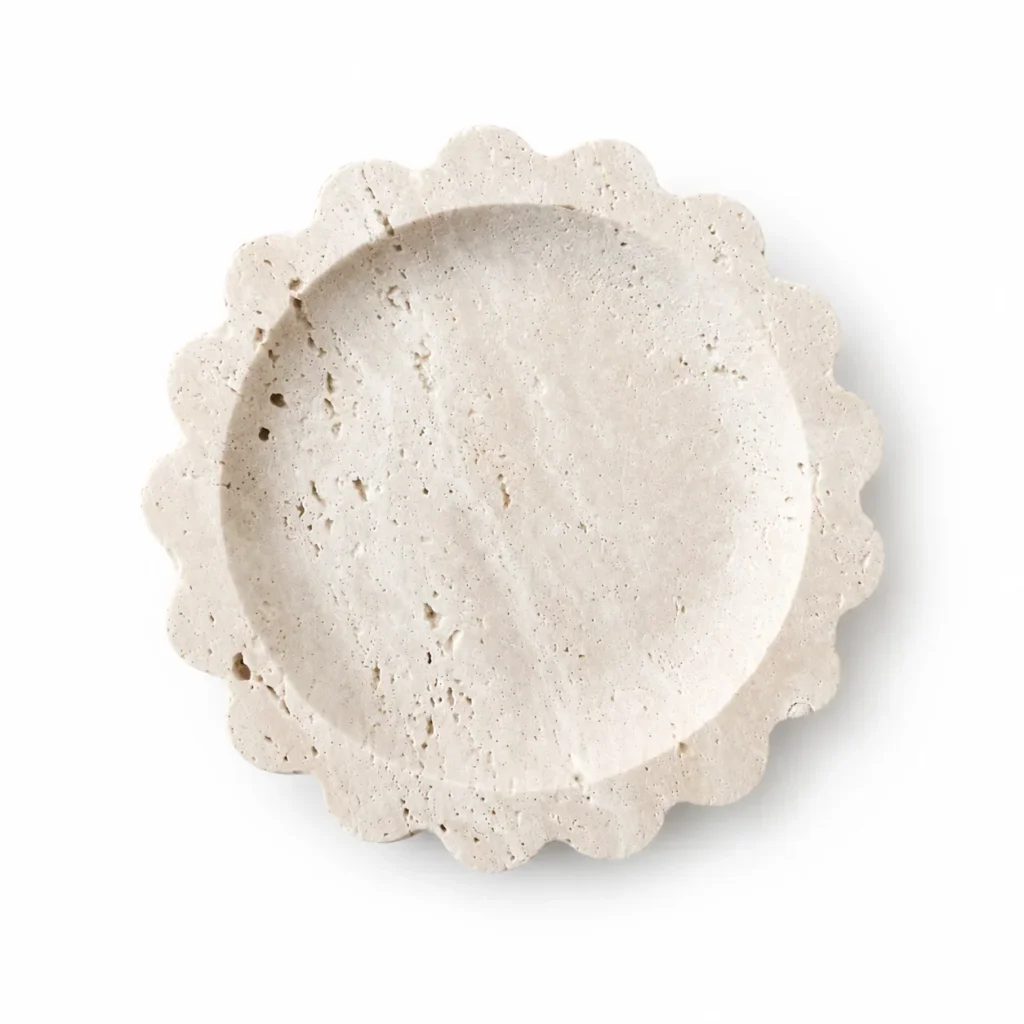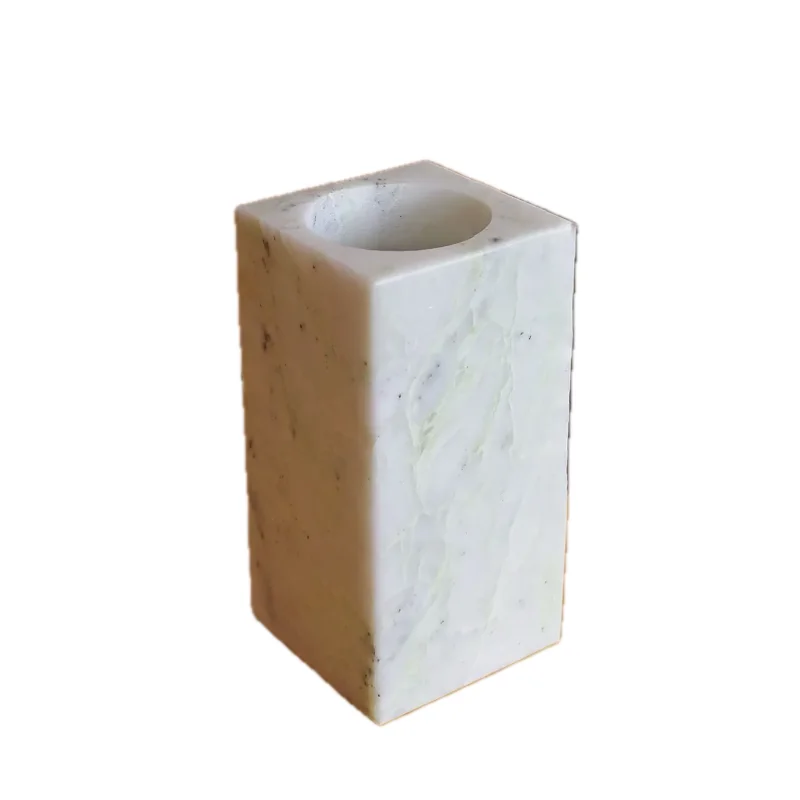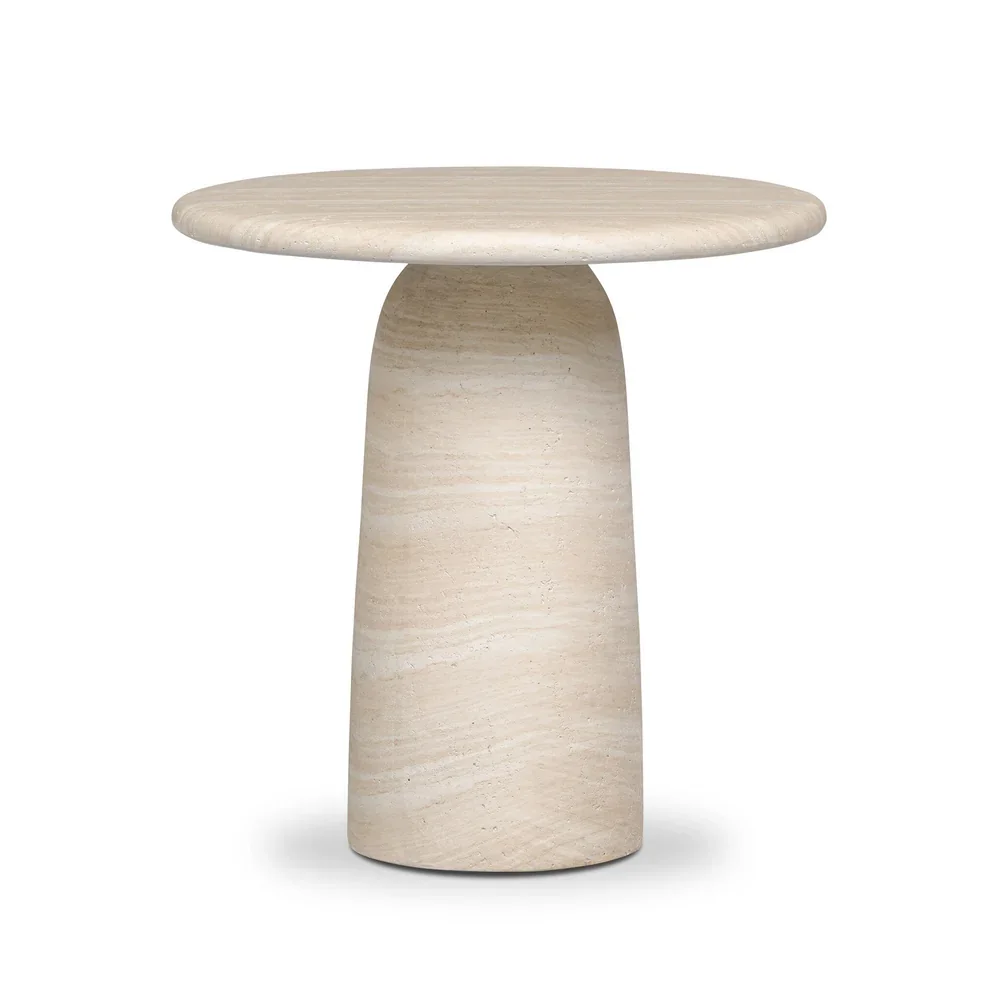
The overall impression
Discuss the background tone, contrast and the amount of visible movement. Where suitable, review more than one material reference rather than selecting a single preferred photograph.
ROQVERA · A clearer buying brief
A beautiful sample is a starting point. For a wholesale collection or custom project, the next conversation is about the appearance range, the finished product and what you want to approve.
What a sample can tell you
One photograph cannot describe every piece of a natural material. Discuss what matters to the design before treating a sample as the reference for an order.
Discuss the background tone, contrast and the amount of visible movement. Where suitable, review more than one material reference rather than selecting a single preferred photograph.
Identify vein direction, visible pores and the required surface finish. For a particular design, discuss filled or open texture and how the selected finish should look.
Include the shape, edges, usable space and components. A material reference and a finished-product sample answer different questions.
Colour movement, veining and an agreed pore appearance are not the same as chips, damage, an incorrect opening or a component that does not fit. Review these against the product brief; “natural variation” is not a blanket approval.
A practical confirmation guide
Use the relevant points for your design, quantity and material. This is a discussion guide, not a fixed inspection programme promised for every order.
Identify the product link, drawing, physical sample or material reference you are discussing.
Ask which material options or batches can be reviewed for the proposed order.
Discuss the tone and contrast you prefer and the range you would be comfortable considering.
Discuss movement, direction, texture and the selected surface finish where they affect the design.
For sets or collections, consider the pieces together, not only as individual samples.
Identify relevant dimensions, edge details, openings, component fit and protection points.
Keep the agreed references and revisions with the order brief. Discuss changes before production.
Made to work together
A vanity tray, dispenser and tissue box may need a consistent overall tone while retaining individual patterns. A statement object may call for stronger movement. Tell us how the pieces will be used and displayed.
Discuss the preferred visual balance, set composition and any grouping requirements. Matching expectations should be agreed for the collection, not assumed from separate catalogue images.
The sample & packing checklist
Compare the product name or SKU, overall dimensions, usable area, surface finish and included components. For a dispenser, check the pump and refill arrangement; for a tissue box, test the intended pack; for a two-tier display, check clearance and support joints. Confirm actual weight where it affects handling. A photograph does not replace these checks.
Ask how each edge, recess, pump, handle, frame or caster is protected. Confirm whether parts are packed assembled or separately, and agree the individual presentation and outer packing for the destination. If a test, label or document is required, name the requirement in the brief. No test approval is established simply because a product is shown online.
Retain the approved product and packing references with the order specification. Record revision dates and discuss changes before repeat production.
Use the information relevant to your order. A fixed box size, weight or testing requirement is not assumed for every custom stone product.
Start with what you know
These details are optional. Use an existing product as a starting point or bring your own design. Minimum order: 50 pieces. Sample arrangements and timing are discussed for the particular project.
Your draft is ready. Review it, then continue in WhatsApp.
Continue in WhatsApp ↗Preparing a draft does not send or save an enquiry. Press Send in WhatsApp to contact ROQVERA at +86 173 7711 4092. Attach your reference photographs or drawings in that conversation.
Prefer to start directly in WhatsApp? ↗Or email jerrynimmard@gmail.com
Packing follows the actual product and route. A scalloped tray, a vase and a side table have different exposed edges, contact points and handling needs. The product examples below are useful starting references for that discussion.
You do not need a complete carton specification to begin. Send the product or drawing, estimated quantity and destination; the applicable protection, presentation and shipment scope can then be included in the project quotation. Any required inspection, test or trade term is agreed for the actual order.